
Contents
ToggleWhat is Social Media marketing
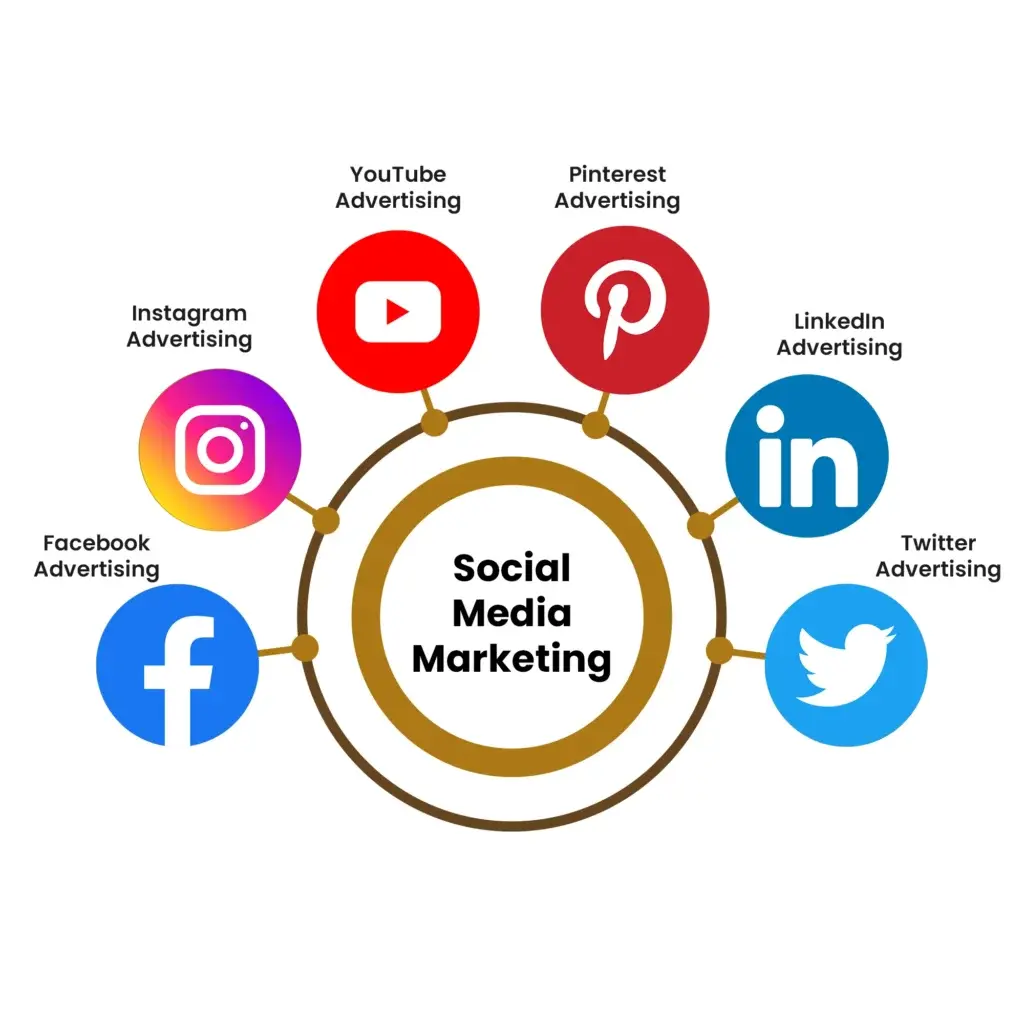
Social Media Marketing (SMM) is a powerful digital marketing approach that uses social media platforms to connect businesses with their target audience, promote products or services, and achieve specific marketing objectives. It involves the strategic creation, distribution, and management of content across social networking sites such as Facebook, Instagram, YouTube, LinkedIn, X (Twitter), Pinterest, and TikTok.
In today’s digital era, social media has become an integral part of everyday life. People use social platforms not only to communicate and share information but also to discover brands, research products, read reviews, and make purchasing decisions. As a result, businesses can no longer rely solely on traditional marketing methods. Social media marketing allows organizations to meet customers where they already spend a significant amount of their time.
Social Media Marketing goes beyond simply posting content. It includes audience research, content planning, community engagement, paid advertising, influencer collaborations, and performance analysis. Through likes, comments, shares, messages, and reactions, brands can interact directly with their audience, understand customer needs, and build long-term relationships.
One of the key strengths of social media marketing is its ability to provide measurable results. Using analytics and insights tools, marketers can track reach, engagement, clicks, conversions, and return on investment (ROI). This data-driven approach helps businesses optimize their strategies and improve campaign effectiveness.
Overall, Social Media Marketing plays a crucial role in modern business growth by enhancing brand visibility, strengthening customer trust, increasing website traffic, and driving sales. When implemented with a clear strategy and consistent effort, it becomes a highly effective and cost-efficient marketing channel.
Why is Social Media Marketing Important
Social Media Marketing plays a crucial role in the success of modern businesses by enabling direct communication with customers and building a strong online presence. Its importance has increased significantly due to the widespread use of social media platforms across different age groups and regions.
1. Increases Brand Awareness
Social media platforms allow businesses to reach a global audience within a short period. Regular posting, sharing, and promotion help brands stay visible and recognizable. Even small businesses can compete with larger brands by creating engaging and creative content.
2. Enhances Customer Engagement
Social media enables two-way communication between brands and customers. Likes, comments, shares, direct messages, polls, and live sessions help businesses interact with their audience in real time, increasing engagement and building stronger relationships.
3. Cost-Effective Marketing Solution
Compared to traditional advertising methods such as television, radio, and print media, social media marketing is more affordable. Businesses can promote their products organically or run paid ads with flexible budgets, making it suitable for startups and small enterprises.
4. Drives Website Traffic
Social media acts as an important traffic source for websites and landing pages. By sharing links to blogs, products, and services, businesses can attract potential customers and increase website visits.
5. Supports Lead Generation and Sales
With advanced targeting options, social media advertising allows businesses to reach users based on demographics, interests, behavior, and location. This helps in generating quality leads and improving conversion rates.
6. Builds Customer Trust and Brand Loyalty
Consistent posting, transparent communication, and prompt responses to customer queries help build trust. Positive reviews, testimonials, and user-generated content further strengthen brand credibility and customer loyalty.
7. Provides Valuable Customer Insights
Social media analytics tools provide data on audience behavior, preferences, engagement patterns, and campaign performance. These insights help businesses understand customer needs and refine marketing strategies.
8. Improves Competitive Advantage
By actively monitoring competitors and industry trends on social media, businesses can identify opportunities, adopt new strategies, and stay ahead in the market.
9. Supports Business Growth and Visibility
Social media marketing helps businesses expand their reach, attract new customers, and retain existing ones. It supports long-term growth by maintaining continuous brand exposure and engagement.
Social media marketing is essential for building brand awareness, engaging customers, driving traffic, and increasing sales. A well-planned social media strategy enables businesses to achieve sustainable growth in the digital marketplace.
a) Facebook
Suitable for businesses of all types
Supports text, images, videos, stories, groups, and ads
Ideal for brand awareness, lead generation, and community building
b) Instagram
Highly visual platform (images, reels, stories)
Popular among younger audiences
Great for influencers, e-commerce, fashion, travel, and lifestyle brands
c) YouTube
Video-based platform
Best for tutorials, reviews, vlogs, and educational content
Strong impact on brand authority and SEO
d) LinkedIn
Professional networking platform
Ideal for B2B marketing, recruitment, and thought leadership
Best for corporate branding and lead generation
e) X (Twitter)
Real-time updates and conversations
Useful for news, customer support, and brand voice
High engagement with trending topics
f) Pinterest
Visual discovery platform
Effective for fashion, home décor, food, and DIY businesses
Strong traffic-driving potential
g) TikTok
Short-form video content
High organic reach
Ideal for creative, entertaining, and viral content
What are the Types Of Social Media Marketing
a) Organic Social Media Marketing
Free posting of content
Focuses on engagement and community building
Includes posts, stories, reels, polls, and live sessions
b) Paid Social Media Marketing
Sponsored posts and advertisements
Targets specific audiences based on demographics, interests, and behavior
Faster results compared to organic marketing
c) Influencer Marketing
Collaboration with influencers to promote products or services
Builds trust and credibility
Effective for brand awareness and conversions
d) Community Management
Responding to comments and messages
Managing reviews and feedback
Building strong brand-customer relationships
What are the Strategies Used in Social Media Marketing
Step 1: Set Clear Goals
Brand awareness
Website traffic
Lead generation
Sales and conversions
Customer engagement
Step 2: Identify Target Audience
Age, gender, location
Interests and behavior
Preferred platforms
Step 3: Content Planning
Educational content
Promotional content
Entertaining content
User-generated content
Step 4: Content Calendar
Plan posts in advance
Maintain consistency
Schedule content for optimal times
Step 5: Engagement & Interaction
Reply to comments and messages
Run polls, contests, and Q&A sessions
Encourage shares and discussions
Step 6: Analyze & Optimize
Track performance using analytics tools
Measure reach, engagement, clicks, and conversions
Improve strategy based on results
Content Type in Social Media Marketing
Content is the foundation of social media marketing. Different content types serve different purposes such as educating the audience, promoting products, increasing engagement, and building brand trust. Using a mix of content formats helps businesses keep their audience interested and active.
1. Image-Based Content
Images are one of the most commonly used content types on social media. They include photos, posters, banners, quotes, and product images. Visual content attracts attention quickly and is easy to consume, making it effective for brand awareness and promotions.
2. Video Content
Video content is highly engaging and performs well across most platforms. It includes short videos, long-form videos, reels, shorts, tutorials, product demos, behind-the-scenes videos, and advertisements. Videos help explain concepts clearly and create emotional connections with the audience.
3. Stories Content
Stories are short, time-limited content formats available on platforms like Instagram, Facebook, and Snapchat. They are ideal for sharing daily updates, offers, polls, countdowns, and behind-the-scenes moments. Stories create urgency and encourage quick interaction.
4. Reels and Short-Form Videos
Reels and short-form videos are designed for fast consumption and high reach. They are popular on Instagram, TikTok, and YouTube Shorts. This content type is best for trends, tips, entertainment, brand challenges, and viral marketing.
5. Text-Based Content
Text posts include captions, tweets, status updates, announcements, and thought leadership posts. They are useful for sharing opinions, news, brand messages, tips, and motivational content. Strong and clear writing is essential for effective text-based posts.
6. Infographics
Infographics present information in a visually appealing and easy-to-understand format. They are effective for sharing statistics, step-by-step processes, comparisons, and educational content. Infographics increase shareability and knowledge retention.
7. Live Videos
Live streaming allows brands to interact with their audience in real time. Live sessions can be used for product launches, Q&A sessions, webinars, interviews, and events. This content type builds authenticity and trust.
8. User-Generated Content (UGC)
User-generated content includes posts, reviews, testimonials, photos, and videos created by customers. Sharing UGC builds credibility, increases trust, and encourages more users to engage with the brand.
9. Promotional Content
Promotional content focuses on marketing products or services. It includes offers, discounts, sales announcements, and advertisements. While important, promotional posts should be balanced with value-based content to avoid audience fatigue.
10. Educational Content
Educational content provides useful information, tips, tutorials, how-to guides, and industry insights. This content helps establish brand authority and builds long-term audience trust.
11. Entertaining Content
Entertaining content includes memes, trending challenges, humor, and creative storytelling. It increases engagement, shares, and brand recall by making the brand more relatable.
12. Polls, Quizzes, and Interactive Content
Interactive content encourages audience participation through polls, quizzes, questions, sliders, and contests. This type of content improves engagement and provides valuable audience insights.
13. Testimonials and Reviews
Customer testimonials and reviews highlight real user experiences. They help build trust, influence purchase decisions, and improve brand credibility.
In conclusion, using a variety of content types in social media marketing helps businesses attract, engage, and retain their audience effectively. A balanced content strategy ensures consistent growth and strong brand presence.
What is Social Media Advertising
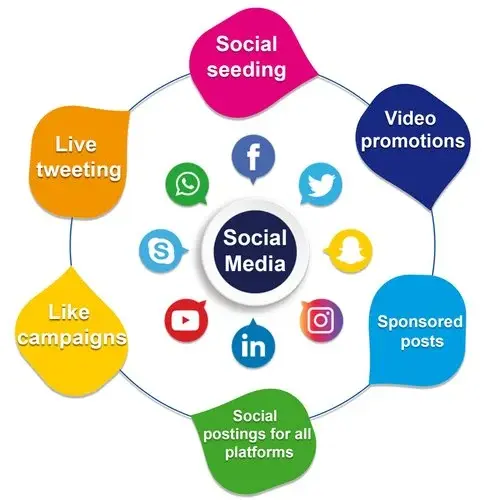
Social Media Advertising refers to the use of paid promotional tools on social media platforms to reach a targeted audience, promote products or services, and achieve specific business objectives such as brand awareness, lead generation, website traffic, and sales. Unlike organic marketing, social media advertising provides faster results, precise targeting, and measurable performance.
Social media platforms like Facebook, Instagram, YouTube, LinkedIn, X (Twitter), Pinterest, and TikTok offer advanced advertising solutions that allow businesses to display ads to users based on demographics, interests, behavior, location, and online activity.
What are the Tools Used in Social Media Marketing
Content Creation Tools: Canva, Adobe Express – design posts, stories, and visuals
Scheduling Tools: Hootsuite, Buffer, Later – plan and schedule posts
Analytics Tools: Meta Insights, Google Analytics – track performance and engagement
Social Listening Tools: Brand24, Sprout Social – monitor mentions and trends
Advertising Tools: Meta Ads Manager, Google Ads – run paid campaigns
Hashtag & Research Tools: Hashtagify, RiteTag – find effective hashtags
Advantages Of Social Media Marketing
Global reach
Real-time communication
Brand personality development
Higher customer engagement
Better conversion rates
Challenges Of Social Media Marketing
High Competition: Millions of brands and creators post daily, making it difficult for businesses to stand out and gain visibility.
Algorithm Changes: Social media platforms frequently change their algorithms, which can reduce organic reach and affect content performance.
Time and Resource Intensive: Creating quality content, posting regularly, and responding to messages and comments requires continuous time and effort.
Negative Feedback and Reputation Risk: Complaints or negative comments are visible to the public and can impact brand trust if not managed properly.
Difficulty in Measuring ROI: Converting likes, shares, and comments into actual sales or business growth is often challenging.
Future Of Social Media Marketing
The future of social media marketing will be more technology-driven, personalized, and interactive. Artificial Intelligence (AI) will play a major role in content creation, audience targeting, chatbots, and predictive analytics, helping brands deliver highly personalized experiences. Short-form videos, live streaming, and interactive content such as polls, AR filters, and shoppable posts will continue to dominate user engagement.
Influencer marketing will evolve toward micro and nano influencers, as audiences prefer authentic and trustworthy content. Social commerce will grow rapidly, allowing users to discover, review, and purchase products directly within social media platforms. Data-driven decision-making and advanced analytics will help businesses measure performance more accurately.
Additionally, privacy regulations and ethical marketing practices will shape future strategies, encouraging transparency and trust. Overall, social media marketing will focus on building communities, creating value-based content, and delivering meaningful customer experiences rather than just promotion.
Social Media Marketing has emerged as one of the most influential and essential components of modern digital marketing. With the rapid growth of social media platforms and the increasing number of active users worldwide, businesses now have unprecedented opportunities to connect directly with their target audience. Social media marketing enables brands to communicate their message effectively, build strong relationships, and create a recognizable online identity.
Through strategic use of content creation, audience engagement, social media advertising, and advanced marketing tools, organizations can achieve a wide range of business objectives such as brand awareness, website traffic, lead generation, and sales growth. The ability to target specific audiences based on demographics, interests, and behavior makes social media marketing more precise and cost-effective compared to traditional marketing methods.
Moreover, social media marketing provides measurable results through analytics and insights, allowing businesses to evaluate performance and continuously improve their strategies. By analyzing engagement, reach, conversions, and return on investment, marketers can make data-driven decisions and stay competitive in the ever-changing digital landscape.
Despite challenges such as high competition, frequent algorithm changes, and the need for consistent content creation, social media marketing remains a powerful tool when implemented with proper planning and creativity. Businesses that adapt to new trends, focus on authentic engagement, and deliver valuable content are more likely to succeed.
In conclusion, social media marketing is not just a promotional activity but a long-term strategic approach to business growth. When used effectively, it helps build trust, enhance customer loyalty, and ensure sustainable success in the digital era.
Pingback: What is Digital marketing
Pingback: Top Social Media Marketing Platforms
Pingback: Advantages of Social Media marketing
Pingback: Challenges of Social Media Marketing
Pingback: Social Media Marketing - muhammedmishab.com