
Contents
ToggleTop Social Media Marketing Platforms
Social Media Marketing platforms are digital environments that enable individuals, businesses, and organizations to create, distribute, and promote content while engaging directly with audiences in real time. These platforms have transformed traditional marketing by shifting communication from one-way brand messaging to interactive, relationship-driven engagement. In the modern digital economy, social media platforms function not only as communication channels but also as critical business ecosystems that support branding, advertising, customer service, sales, and data analytics.
The rapid growth of internet accessibility, smartphone adoption, and digital literacy has significantly expanded the reach and influence of social media platforms. Today, billions of users actively participate across multiple platforms, making social media an indispensable component of integrated marketing communication (IMC). Organizations leverage these platforms to enhance brand visibility, influence consumer behavior, build trust, and maintain competitive advantage in highly dynamic markets.
Each social media platform operates with distinct algorithms, content formats, audience demographics, and engagement mechanisms. As a result, social media marketing is no longer limited to posting promotional content; it requires a strategic, platform-specific approach aligned with business objectives. For example, visually oriented platforms emphasize storytelling and aesthetics, while professional networks focus on credibility and expertise. Understanding these differences is essential for designing effective campaigns and maximizing return on investment (ROI).
From a professional perspective, social media marketing platforms offer a combination of owned media (brand pages and profiles), paid media (advertising tools), and earned media (shares, reviews, and user-generated content). This integration allows marketers to track user behavior, personalize communication, and optimize campaigns using data-driven insights. Advanced analytics, artificial intelligence, and automation tools further enhance targeting accuracy and performance measurement.
In contemporary business practice, social media platforms play a strategic role across the entire customer journey—from awareness and consideration to conversion and post-purchase engagement. They enable brands to listen to customer feedback, manage reputation, respond to market trends, and foster long-term customer relationships. Consequently, social media marketing platforms have evolved from optional promotional tools into essential strategic assets for organizations of all sizes.
This study of social media marketing platforms focuses on understanding their structure, functionality, and professional applications. By analyzing major platforms and their marketing potential, businesses can develop informed strategies that align with organizational goals, audience expectations, and evolving digital trends.
Which are the Top Social Media Marketing Platforms
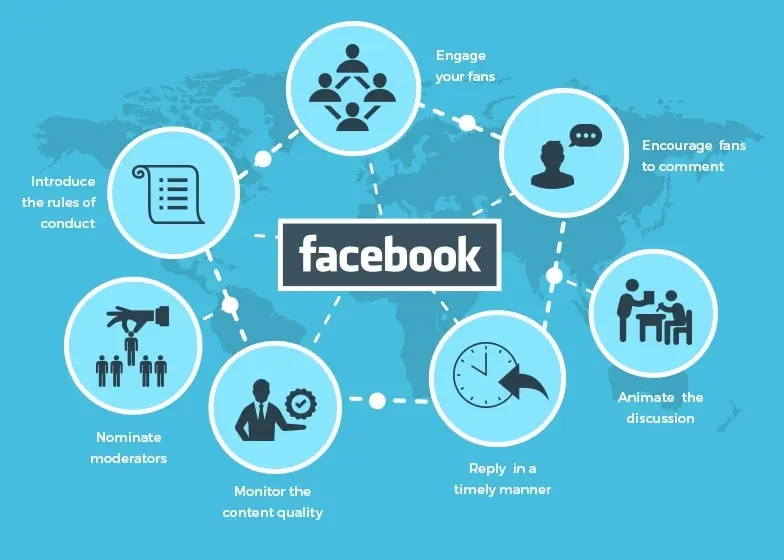
1. Facebook – Comprehensive Brand Engagement Platform
Facebook remains a cornerstone of social media marketing due to its massive user base and sophisticated advertising infrastructure.
Marketing Capabilities:
Business Pages with analytics (Meta Business Suite)
Advanced paid advertising with granular targeting
Community building through Groups
Facebook Marketplace and Shops
Video marketing via Facebook Watch and Live
Strategic Applications:
Brand awareness campaigns
Lead generation using instant forms
Retargeting through Meta Pixel
Customer service via Messenger
Audience Profile:
Broad demographic coverage (18–55+)
Strong penetration in emerging markets
Professional Use Case:
Ideal for omnichannel campaigns integrating paid, owned, and earned media.
2. Instagram – Visual Brand Storytelling Platform
Instagram focuses on aesthetics, emotional branding, and influencer-driven marketing.
Marketing Capabilities:
Feed posts, Stories, Reels, and Live content
Instagram Shopping and Checkout
Influencer collaborations and UGC (User-Generated Content)
Hashtag and Explore page discovery
Strategic Applications:
Lifestyle branding and product launches
Influencer and micro-influencer campaigns
Engagement-focused content strategies
Conversion-driven shopping ads
Audience Profile:
Millennials and Gen Z
High mobile-first consumption
Professional Use Case:
Best suited for brands with strong visual identity and storytelling potential.
3. YouTube – Long-Form and Educational Video Marketing Platform
YouTube functions as both a social network and a search engine, making it essential for content marketing and SEO integration.
Marketing Capabilities:
Branded channels and playlists
Skippable, non-skippable, and bumper ads
YouTube Shorts for short-form engagement
Creator collaborations
Strategic Applications:
Educational and instructional content
Product reviews and demonstrations
Brand authority building
Long-term content ROI through evergreen videos
Audience Profile:
All age groups
High intent-based content consumption
Professional Use Case:
Ideal for businesses focused on trust, education, and long-term visibility.
4. LinkedIn – B2B and Professional Marketing Platform
LinkedIn is the primary platform for business-to-business (B2B) marketing and professional branding.
Marketing Capabilities:
Company pages and employee advocacy
Sponsored content and InMail campaigns
Thought leadership articles and newsletters
Lead Gen Forms
Strategic Applications:
B2B lead generation
Employer branding and recruitment
Industry thought leadership
Corporate communication
Audience Profile:
Professionals, executives, decision-makers
Higher income and education levels
Professional Use Case:
Critical for consultancies, SaaS companies, recruiters, and corporate brands.
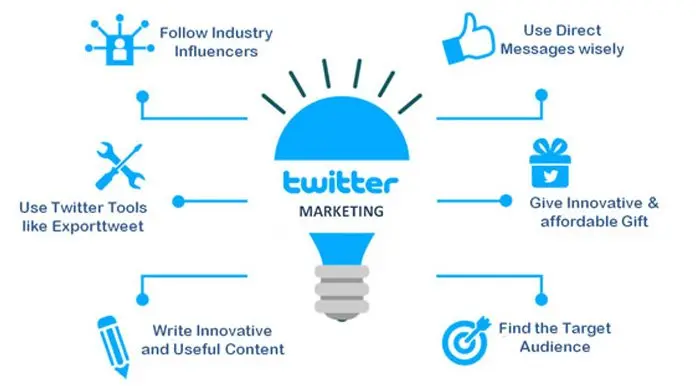
5. Twitter (X) – Real-Time Communication and Opinion Platform
Twitter enables rapid dissemination of information and real-time audience interaction.
Marketing Capabilities:
Tweets, threads, and hashtags
Promoted tweets and trends
Twitter Spaces (audio discussions)
Brand monitoring and social listening
Strategic Applications:
Brand announcements and PR
Crisis communication
Customer support and feedback
Opinion leadership
Audience Profile:
News-oriented and tech-savvy users
Influencers, journalists, policymakers
Professional Use Case:
Effective for reputation management and public engagement strategies.
6. WhatsApp – Direct Relationship Marketing Platform
WhatsApp has evolved into a critical tool for conversational commerce and customer relationship management.
Marketing Capabilities:
WhatsApp Business API
Product catalogs and order management
Automated chatbots and notifications
Broadcast and segmentation tools
Strategic Applications:
Personalized customer engagement
Order confirmation and support
Local and hyperlocal marketing
Retention and loyalty programs
Audience Profile:
Extremely high penetration across demographics
Preference for private communication
Professional Use Case:
Best for retention, customer service, and direct sales communication.
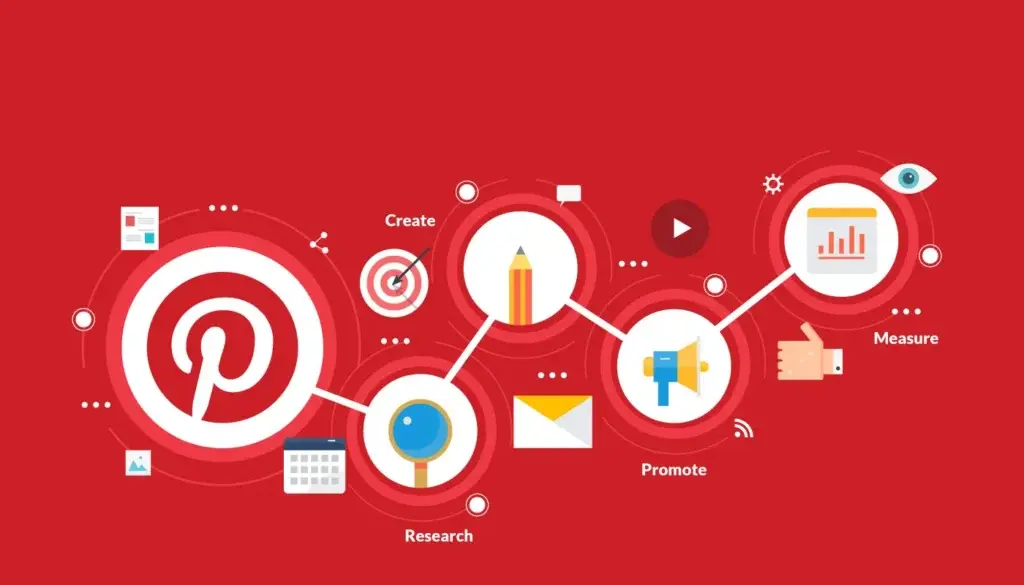
7. Pinterest – Discovery and Intent-Based Marketing Platform
Pinterest operates as a visual search engine with strong purchase intent.
Marketing Capabilities:
Pins, boards, and idea pins
Rich Pins and shopping ads
Keyword-driven discovery
Website traffic generation
Strategic Applications:
Inspiration-driven brand discovery
Long-term traffic acquisition
Seasonal and evergreen content marketing
Audience Profile:
Predominantly female users
Planning and inspiration-focused behavior
Professional Use Case:
Ideal for brands focused on design, creativity, and lifestyle inspiration.
8. Snapchat – Experiential and Youth-Centric Marketing Platform
Snapchat offers immersive and ephemeral content experiences.
Marketing Capabilities:
Snap Ads and Story Ads
AR lenses and filters
Geofenced advertising
Influencer takeovers
Strategic Applications:
Youth engagement campaigns
Event-based and location marketing
Interactive brand experiences
Audience Profile:
Gen Z and young millennials
High daily engagement rates
Professional Use Case:
Best for brands targeting younger audiences with creative storytelling.
9. Telegram – Community and Broadcast Marketing Platform
Telegram emphasizes control, privacy, and large-scale communication.
Marketing Capabilities:
Channels for one-way communication
Groups for community engagement
Automation via bots
No algorithm-based content suppression
Strategic Applications:
Content distribution
Education and course marketing
Community building
Product updates
Audience Profile:
Tech-savvy and privacy-conscious users
Professional Use Case:
Effective for niche communities and content-driven businesses.
10. TikTok – High-Virality Short-Form Content Platform
TikTok is driven by algorithmic discovery and creative storytelling.
Marketing Capabilities:
Short-form video creation
Influencer partnerships
In-feed and branded hashtag challenges
Performance-based advertising
Strategic Applications:
Brand discovery and virality
Trend-based content marketing
Influencer-driven sales
Audience Profile:
Gen Z and young millennials
High engagement and content consumption
Professional Use Case:
Ideal for brands seeking rapid awareness and cultural relevance.
What are the Strategy of Top Social Media Marketing Platforms
Social media marketing platforms have evolved into indispensable strategic assets within the modern digital marketing ecosystem. No longer limited to content sharing or promotional communication, these platforms now function as integrated business tools that support brand building, customer engagement, lead generation, sales conversion, and long-term relationship management. Their ability to facilitate real-time interaction, personalized communication, and data-driven decision-making has fundamentally transformed how organizations connect with consumers.
From a strategic perspective, the effectiveness of social media marketing does not depend on platform presence alone, but on the alignment between business objectives, target audience behavior, and platform-specific capabilities. Each platform serves a distinct strategic role—some excel in awareness and storytelling, others in professional networking, education, or direct customer interaction. Organizations that adopt a platform-centric strategy, rather than a generic multi-platform approach, are better positioned to maximize reach, engagement, and return on investment.
A successful social media marketing strategy integrates organic content, paid advertising, and community engagement into a cohesive framework. Organic content builds authenticity and trust, paid campaigns ensure scalable reach and precision targeting, and interactive engagement strengthens brand loyalty. The strategic use of analytics and performance metrics allows marketers to continuously optimize campaigns, refine audience segmentation, and adapt to changing algorithms and consumer preferences.
Furthermore, social media marketing platforms play a critical role across the entire customer journey. They create initial brand awareness, influence consideration through reviews and influencer content, drive conversions via targeted advertising and social commerce, and support post-purchase engagement through customer service and community building. This end-to-end influence positions social media as a central pillar of integrated marketing communication rather than a standalone activity.
In the long term, the strategic value of social media marketing platforms lies in their ability to generate actionable insights. User data, engagement patterns, and behavioral analytics provide organizations with a deeper understanding of customer needs and market trends. When leveraged ethically and responsibly, these insights enable personalized experiences, improved product offerings, and stronger customer relationships.
In conclusion, social media marketing platforms demand a strategic, disciplined, and adaptive approach. Organizations that invest in skilled professionals, platform-specific content strategies, continuous performance evaluation, and ethical data practices will gain sustainable competitive advantage. As digital technologies continue to evolve, social media platforms will remain at the core of marketing innovation, making strategic mastery of these platforms essential for long-term business success.
Pingback: Social Media Marketing
Pingback: Challenges of Social Media Marketing