
Contents
ToggleOff - Page SEO : Expanding Digital Authority Beyond Your Website
Off- Page SEO is a critical component of search engine optimization that focuses on enhancing a website’s authority, credibility, and trustworthiness through activities performed outside the website itself. While on-page SEO ensures that content and technical elements are optimized internally, off-page SEO signals to search engines how the wider digital ecosystem perceives a website.
Search engines such as Google use off-page factors-particularly backlinks, brand mentions, and external engagement-to evaluate a site’s reputation. Websites that earn recognition from authoritative and relevant sources are considered more reliable and are rewarded with higher rankings in search engine results pages (SERPs). As competition increases across digital platforms, off-page SEO has become essential for establishing long-term visibility and marketer credibility.
Why Off Page SEO is Important
One of the most significant aspects of off-page SEO is backlinks. When reputable and relevant websites link to a page, it acts as a vote of confidence, indicating that the content is valuable and trustworthy. High-quality backlinks from authoritative sources can greatly improve a website’s domain authority and search engine rankings. Unlike on-page factors, which are fully controlled by the website owner, backlinks are earned, making them a strong indicator of genuine quality.
Off-page SEO also enhances brand visibility and recognition. Activities such as social media marketing, influencer outreach, content sharing, and digital PR help expose a brand to a wider audience. As more users become familiar with a brand, they are more likely to search for it directly, mention it online, and link to it, all of which positively influence search engine performance.
Another key benefit of off-page SEO is building trust and online reputation. Reviews, ratings, forum discussions, and mentions across the web contribute to how users and search engines perceive a business. Positive reviews and consistent brand mentions improve credibility, while a strong online presence helps establish authority within a specific industry or niche.
Off-page SEO also drives referral traffic. Links from blogs, news sites, directories, and social platforms bring targeted visitors who are already interested in related topics. This traffic often has higher engagement and conversion potential, supporting overall business goals beyond just rankings.
Off-page SEO is essential because it strengthens a website’s authority, trust, and relevance in the eyes of search engines and users alike. When combined with strong on-page SEO, off-page strategies help achieve higher search rankings, increased organic traffic, stronger brand reputation, and long-term digital success.
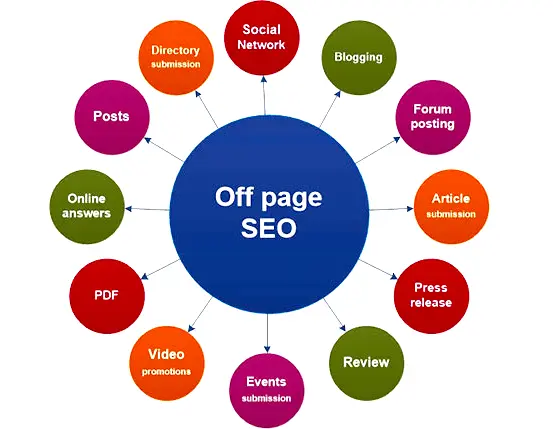
Core Components of Off Page SEO
Off-page SEO refers to all activities carried out outside a website to improve its authority, relevance, and trustworthiness in search engine rankings. These external signals help search engines understand how credible and valuable a website is compared to others. Below are the core components of off-page SEO explained in detail:
1. Backlinks (Link Building)
Backlinks are the foundation of off-page SEO. They are links from external websites that point to your site and act as endorsements of your content. Search engines evaluate backlinks based on quality, relevance, authority, and diversity. Links from high-authority and niche-relevant websites carry more value than numerous low-quality links. Natural, editorial backlinks indicate genuine trust and significantly improve domain authority and rankings.
2. Domain Authority & Page Authority
Domain Authority (DA) and Page Authority (PA) are indicators of a website’s overall strength and credibility. Off-page SEO activities like link building, brand mentions, and digital PR contribute to increasing these metrics. Higher authority helps websites rank more easily for competitive keywords.
3. Brand Mentions (Linked & Unlinked)
Brand mentions occur when a website, blog, or social platform references your brand name. Even without a clickable link, unlinked mentions signal brand credibility to search engines. Frequent and consistent mentions across authoritative platforms improve trust, recognition, and online presence.
4. Social Media Engagement
Social media platforms help distribute content and increase brand visibility. Likes, shares, comments, and followers amplify content reach, attract new audiences, and indirectly support backlink acquisition. While social signals are not direct ranking factors, they influence traffic, engagement, and brand awareness.
5. Content Marketing & Content Promotion
Creating high-quality content such as blogs, infographics, videos, whitepapers, and case studies is essential for off-page SEO success. Promoting this content through outreach, email marketing, and social platforms encourages others to link to it naturally, increasing authority and visibility.
6. Guest Blogging
Guest blogging involves writing content for other authoritative websites in the same niche. It helps earn quality backlinks, establish industry expertise, and drive referral traffic. Ethical guest blogging focuses on value-driven content rather than excessive link placement.
7. Online Reviews & Reputation Management
Customer reviews on platforms like Google Business Profile, Trustpilot, and industry-specific review sites affect trust and credibility. Positive reviews improve brand reputation, local SEO rankings, and conversion rates, while timely responses to reviews demonstrate reliability.
8. Local SEO & Citations
Local citations include consistent business information (Name, Address, Phone Number) across online directories, maps, and listings. Accurate citations improve local search visibility, build trust, and help businesses rank higher in location-based searches.
9. Influencer Marketing
Influencer marketing involves collaborating with industry influencers to promote content, products, or services. Influencers provide access to established audiences and often generate authoritative mentions, backlinks, and increased engagement.
10. Forum Participation & Community Engagement
Participating in online communities such as forums, Q&A sites, and discussion platforms helps build authority and trust. Sharing valuable insights and solutions increases visibility, drives referral traffic, and strengthens brand reputation when done authentically.
11. Digital PR & Media Outreach
Digital PR focuses on gaining coverage from news outlets, blogs, and authoritative publications. Press releases, expert quotes, and media mentions help earn high-quality backlinks, enhance credibility, and boost brand authority.
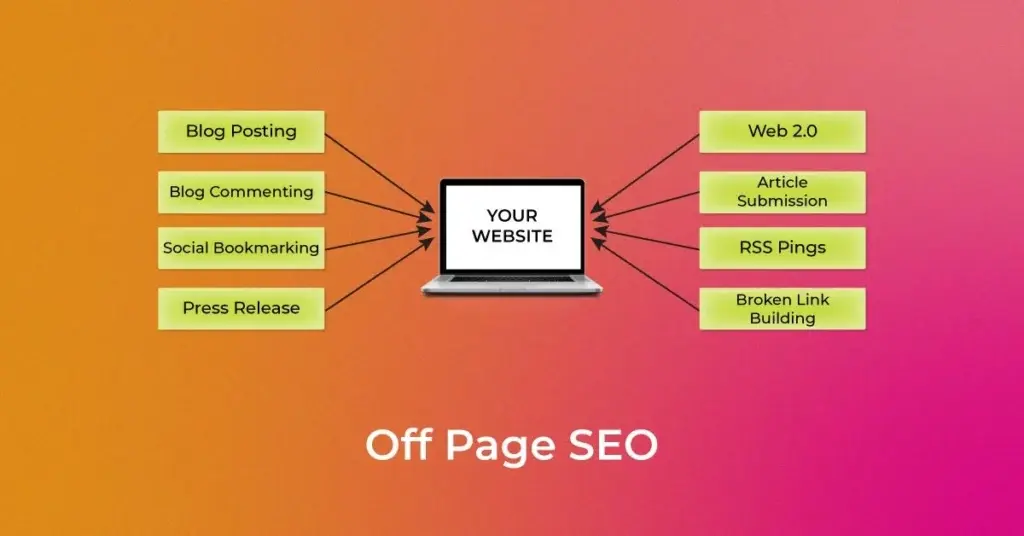
Best Practices For Off Page SEO
Focus on quality over quantity of backlinks
Avoid spammy or black-hat link-building techniques
Maintain consistent brand messaging
Build relationships within your industry
Monitor backlinks and brand mentions regularly
Off-page SEO is a crucial pillar of search engine optimization that focuses on building a website’s authority, trust, and credibility through external signals. While on-page SEO ensures that a website is technically sound and content-rich, off-page SEO determines how the wider digital ecosystem perceives that website. Search engines rely heavily on these external factors to assess the reliability, relevance, and popularity of a site when ranking it in search results.
At the core of off-page SEO are high-quality backlinks, which act as endorsements from other websites. Links from authoritative and relevant sources signal to search engines that the content is valuable and trustworthy. Alongside backlinks, brand mentions, social media engagement, digital PR, influencer marketing, and online reviews all contribute to strengthening a site’s reputation and visibility. These elements help establish brand authority, increase awareness, and attract targeted referral traffic.
Off-page SEO also plays a significant role in long-term growth. Unlike short-term ranking tactics, authority and trust built through consistent off-page efforts tend to be more sustainable and resistant to algorithm changes. Positive online reputation, strong relationships within the industry, and continuous content promotion create a solid foundation for ongoing organic success.
In conclusion, off-page SEO is essential for achieving competitive search engine rankings and building a strong online presence. When combined with effective on-page and technical SEO, it helps websites gain credibility, attract quality traffic, and achieve long-term digital success. A well-balanced SEO strategy that prioritizes ethical and consistent off-page practices ultimately leads to improved visibility, higher rankings, and sustained business growth.
Pingback: Search Engine Optimization
Pingback: Off page seo - muhammedmishab.com